Along a fresh board
The camera glides low along a maple board just off the mill and closes in until the rings and rays fill the screen. Silent.
 Wishlist on Steam
the creator kit
Footage, cuts, stills, music and words from the game, free to use in your videos, streams, Shorts and articles, monetised ones too. Credit the game with one line.
ask for a shot
If your video needs a log, a season, an angle or a moment the kit is missing, tell us what you're after. We'll get right on it: we film it in the game and put it up here, free on the same terms as the rest.
Free review copies. Creators and the press can ask for a free copy of the game; all we ask is your honest view. How it works
3 items
Silent clips of the game at 3840 x 2160 and 60 frames a second, with the picture clean. The first footage pack comes next, filmed scene by scene from play.
The camera glides low along a maple board just off the mill and closes in until the rings and rays fill the screen. Silent.
A red oak opens in the viewer and rolls on its axis; the chalk rings a sign in the bark and the call goes on. Silent, with the reading screen up.
A slow move up to the finished Glass Gable, the cabin built from your own timber. Silent.
2 items
The store trailer and the finished Shorts. Show them whole or cut them up.
The trailer on the Steam page, with the narrator, the game's sound and the music: one log from the seed to the board, the eight woods, reading a log, a grade card, the Glass Gable.
A vertical Short: one log on the mill from the first cut to the boards.
17 items
The store's screenshots and the title view at full size.
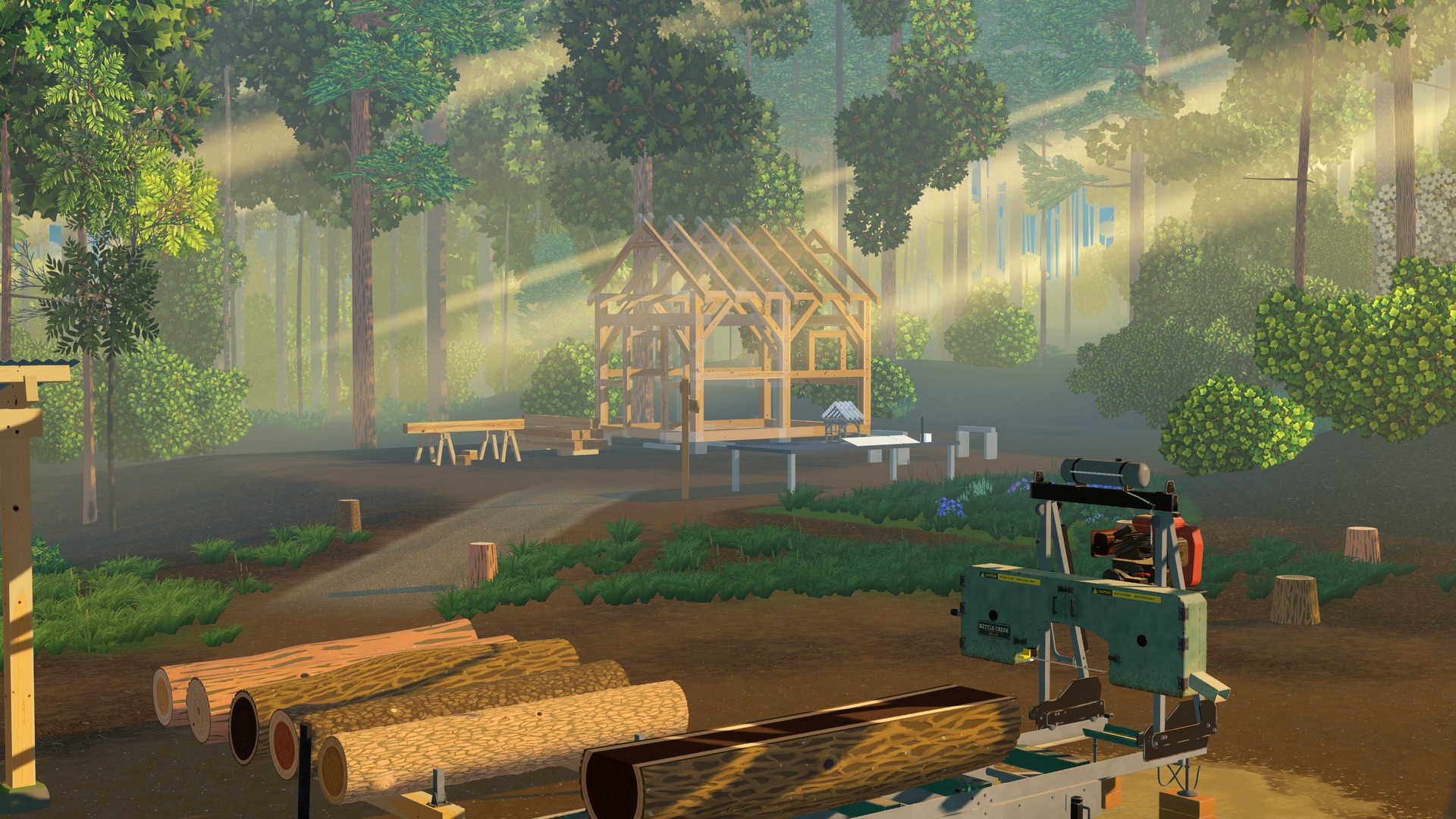
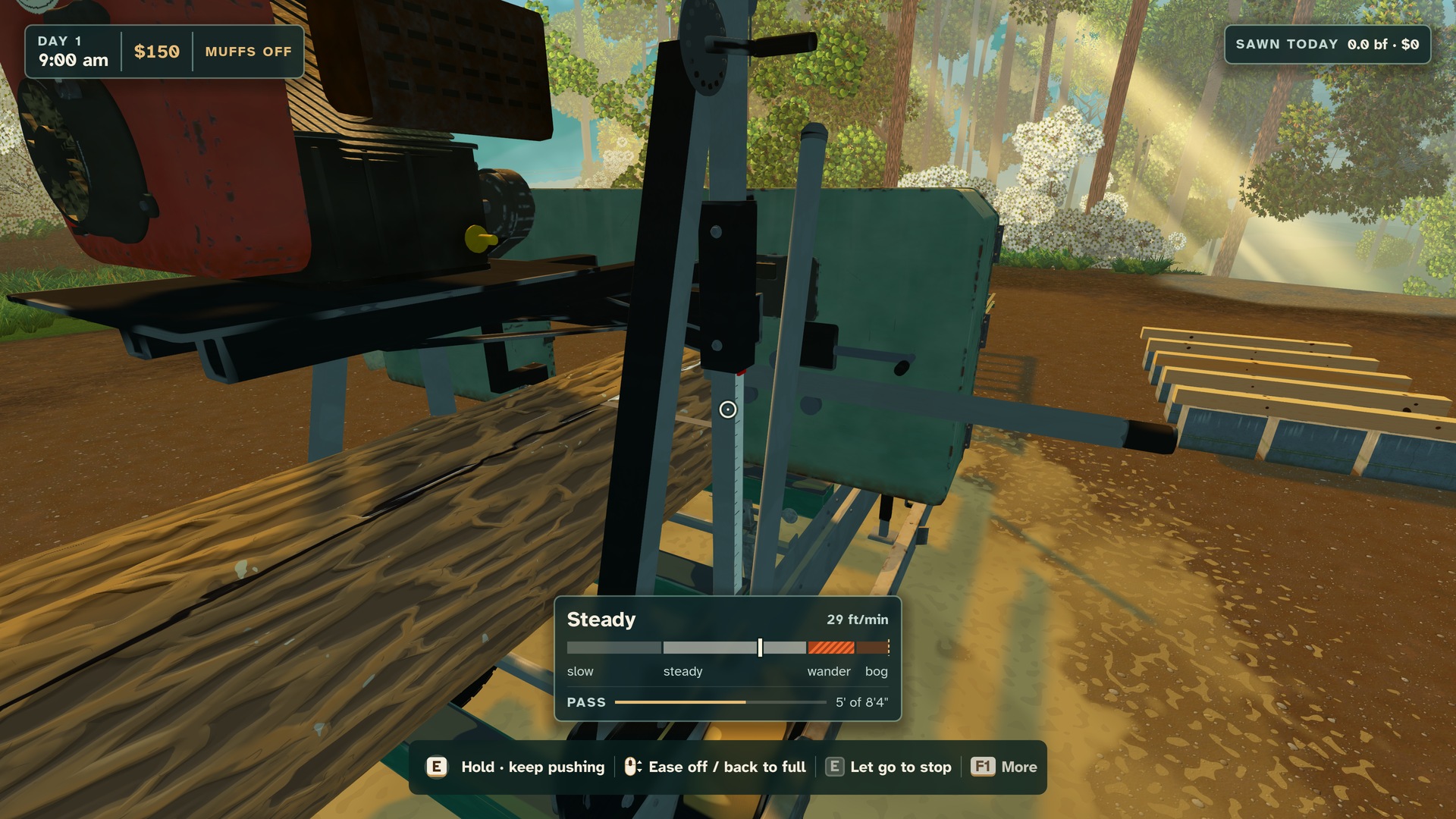
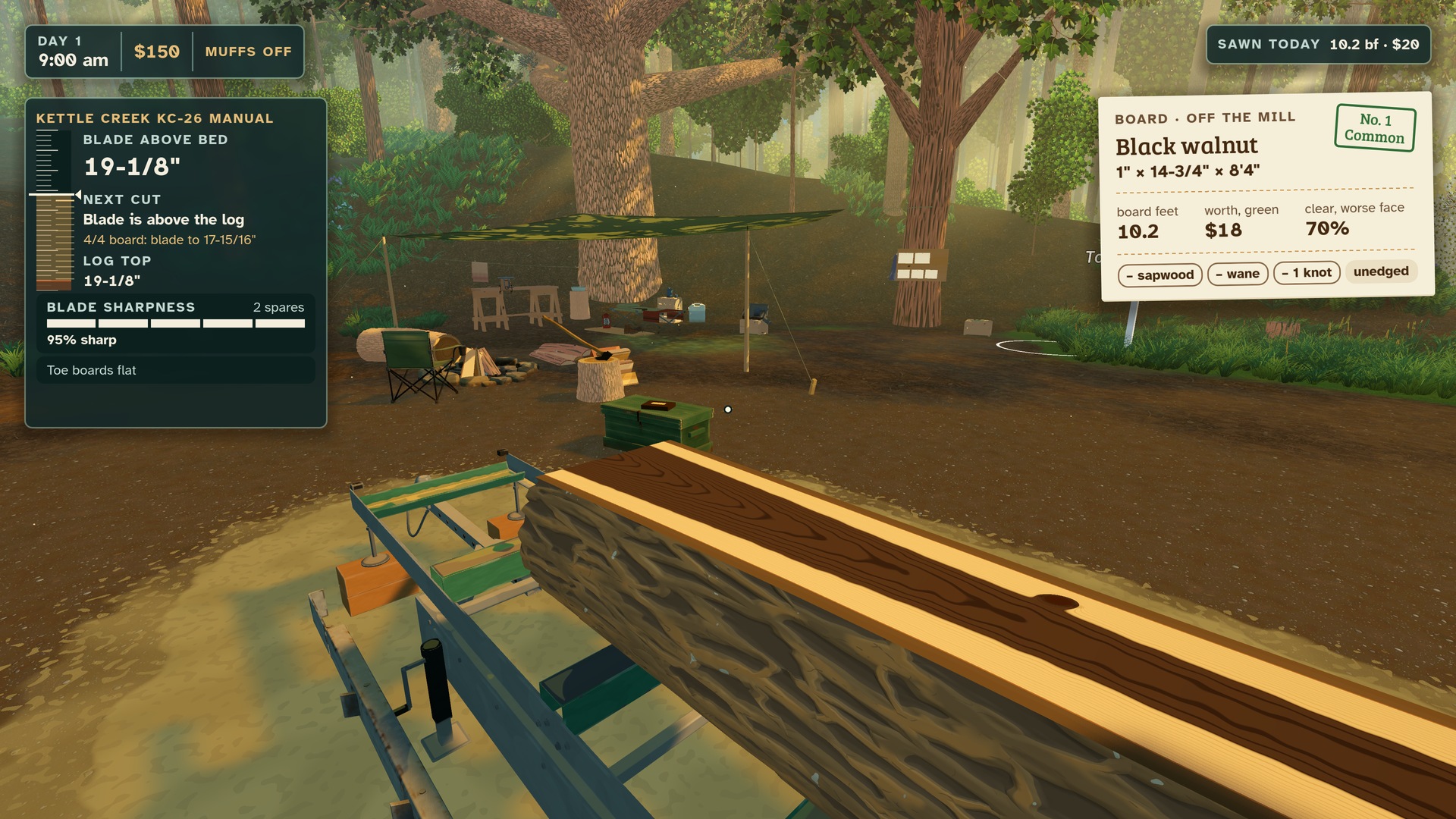
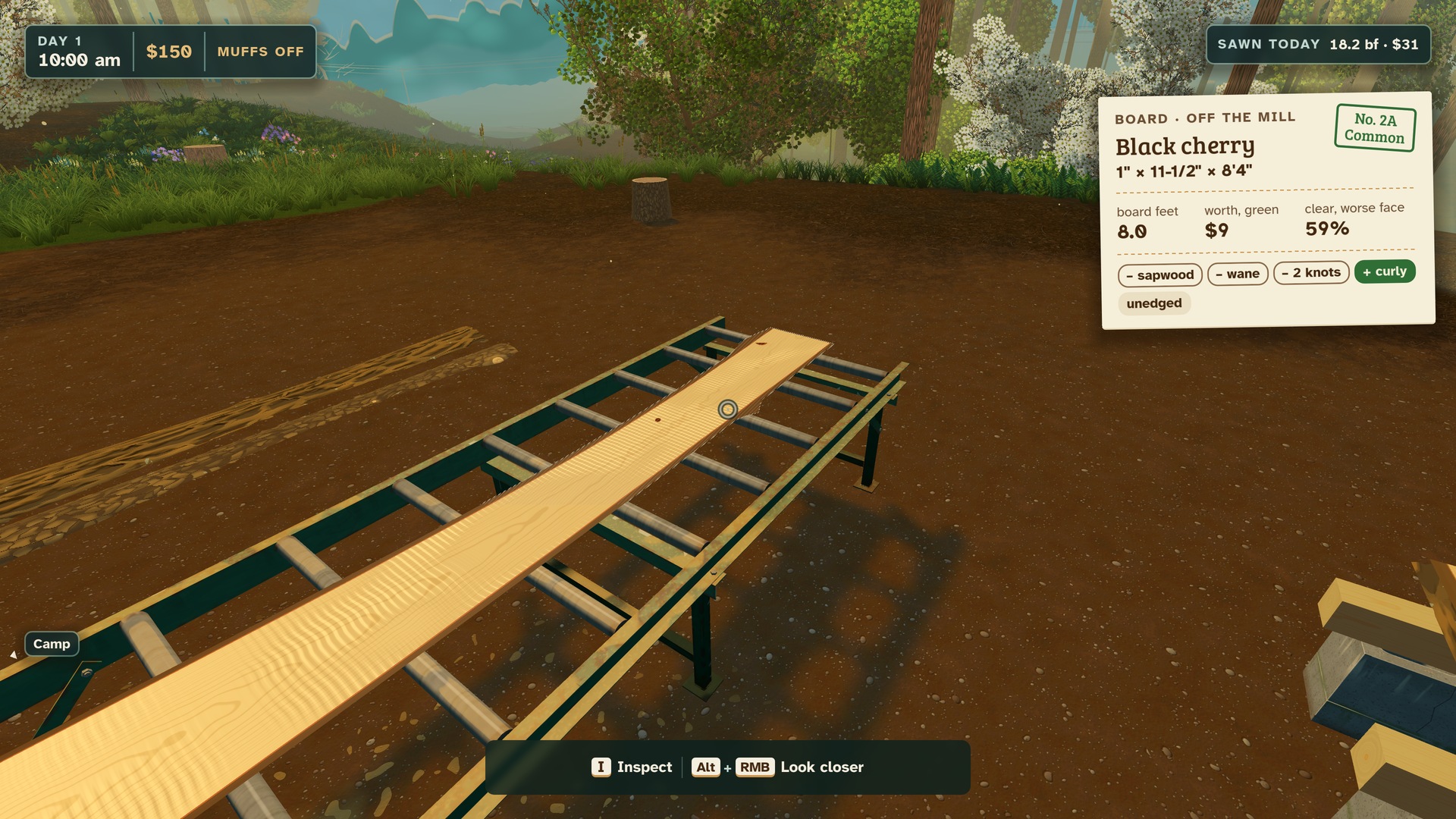
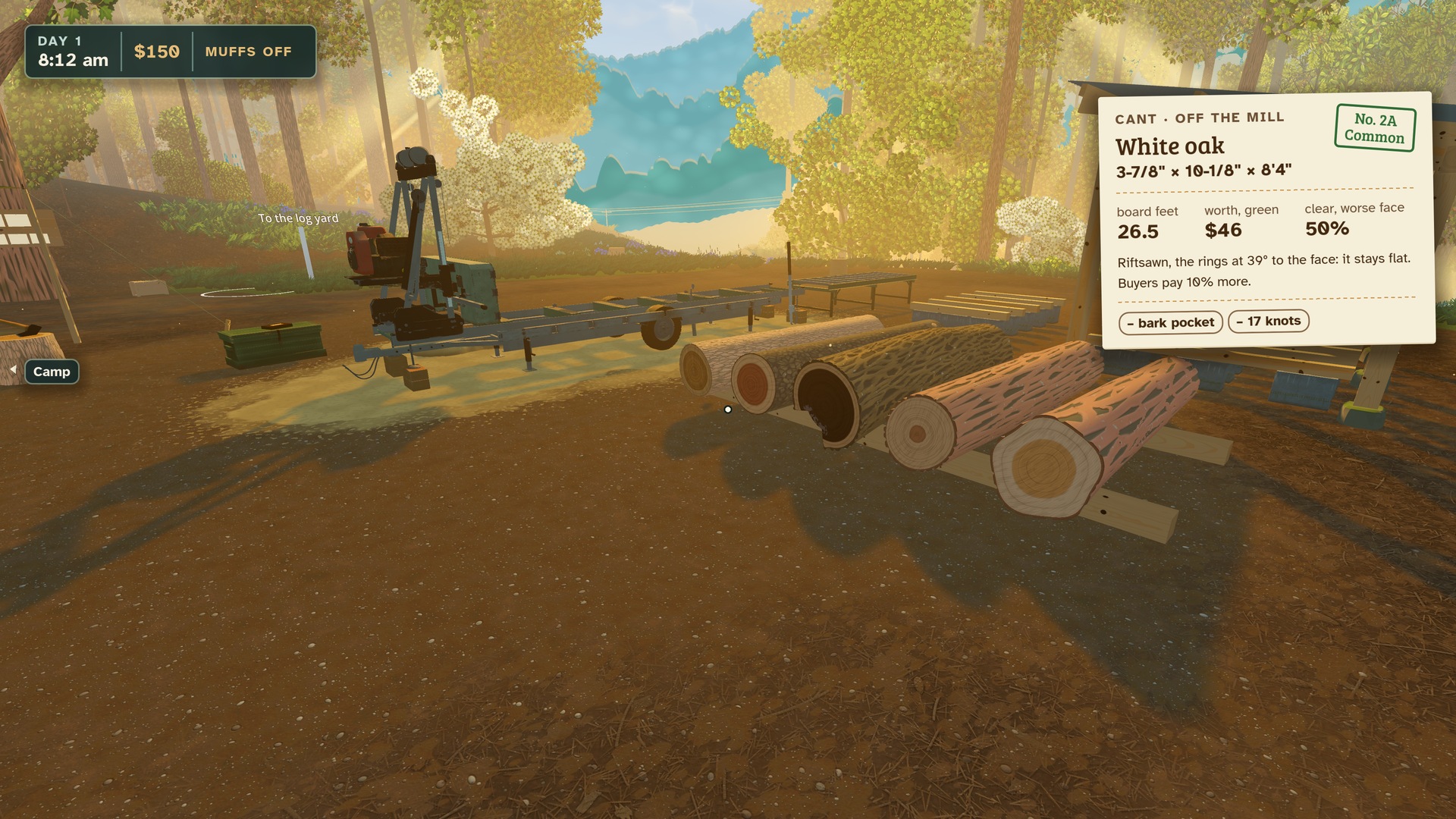
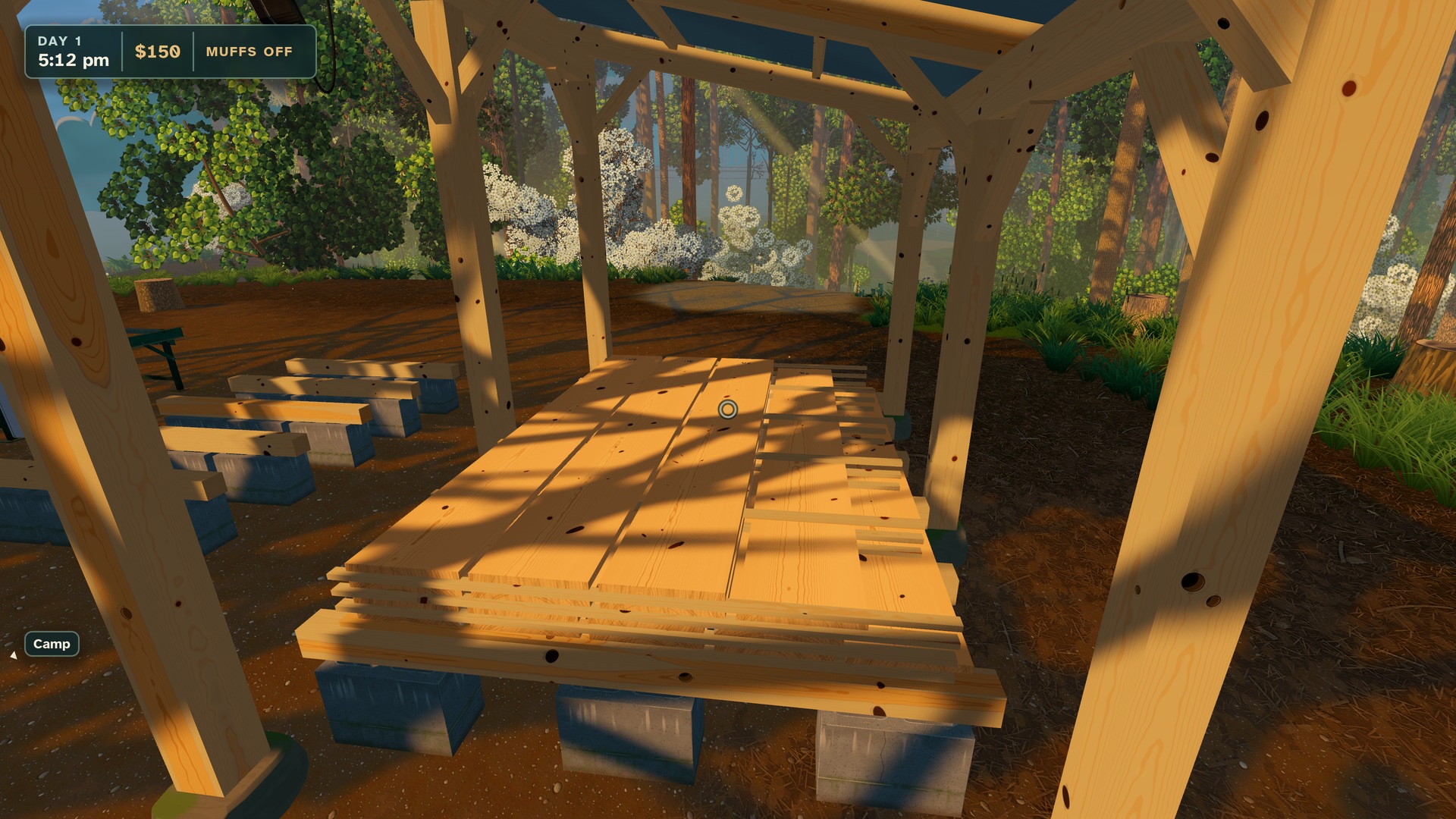
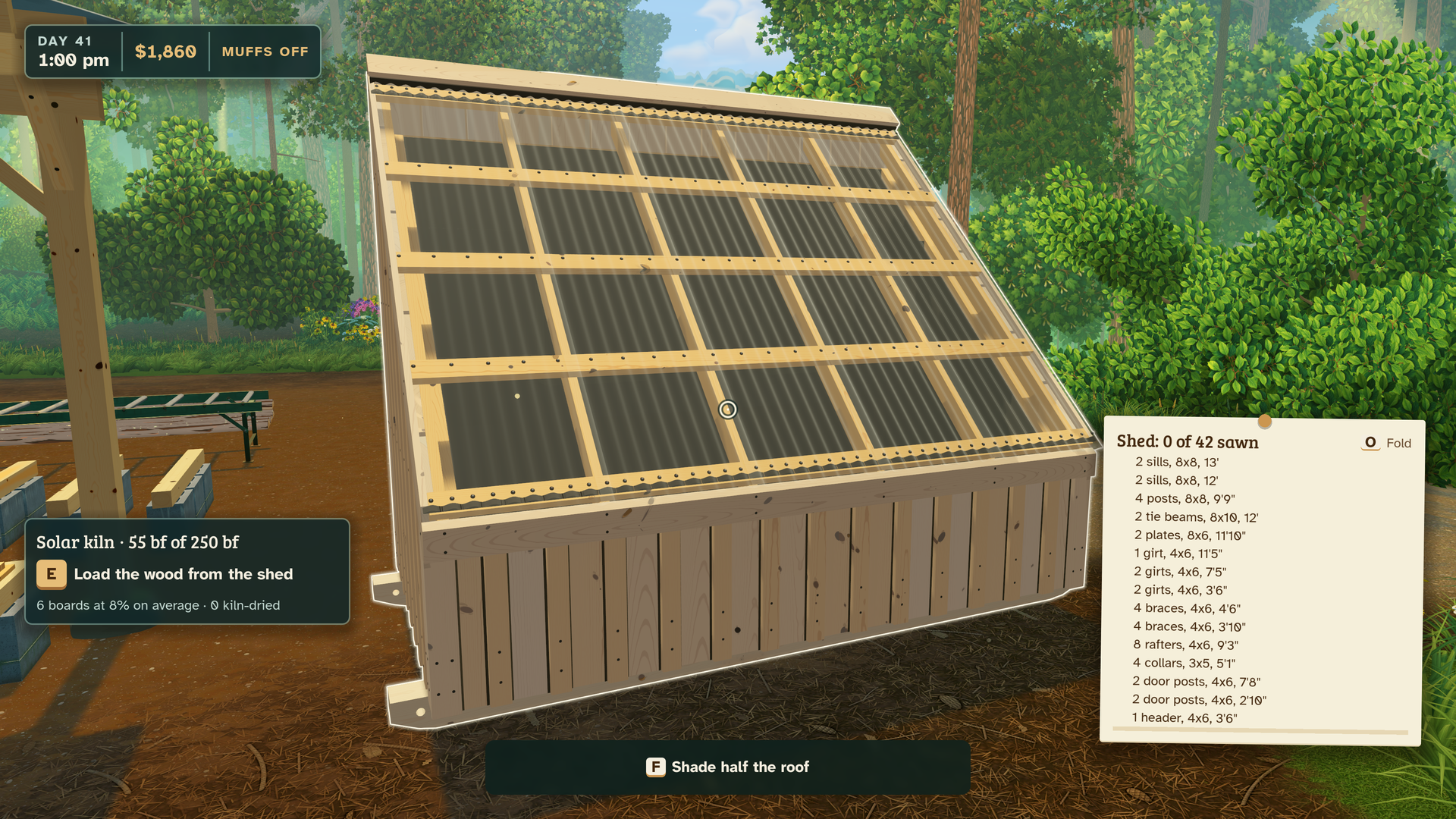
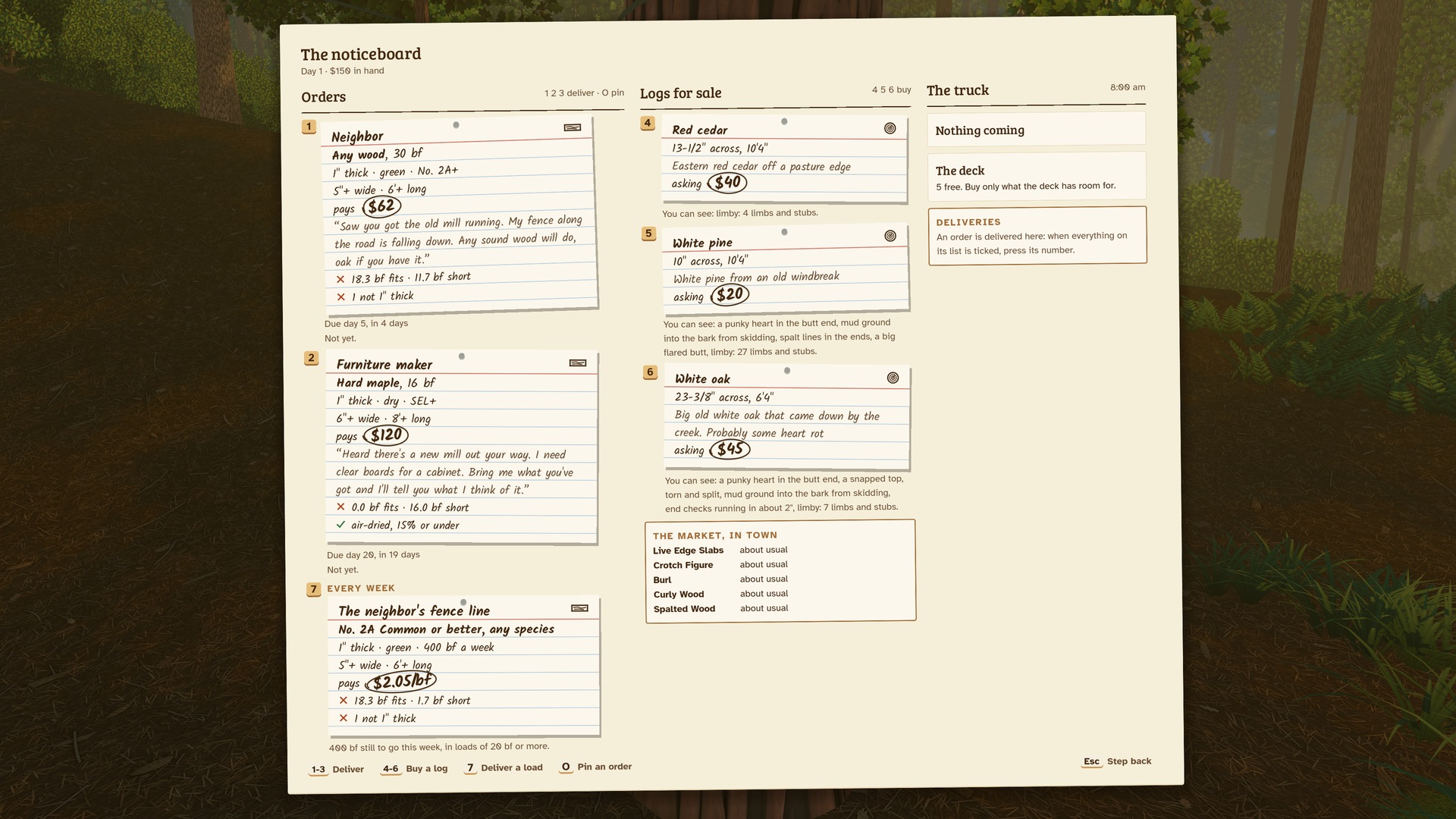
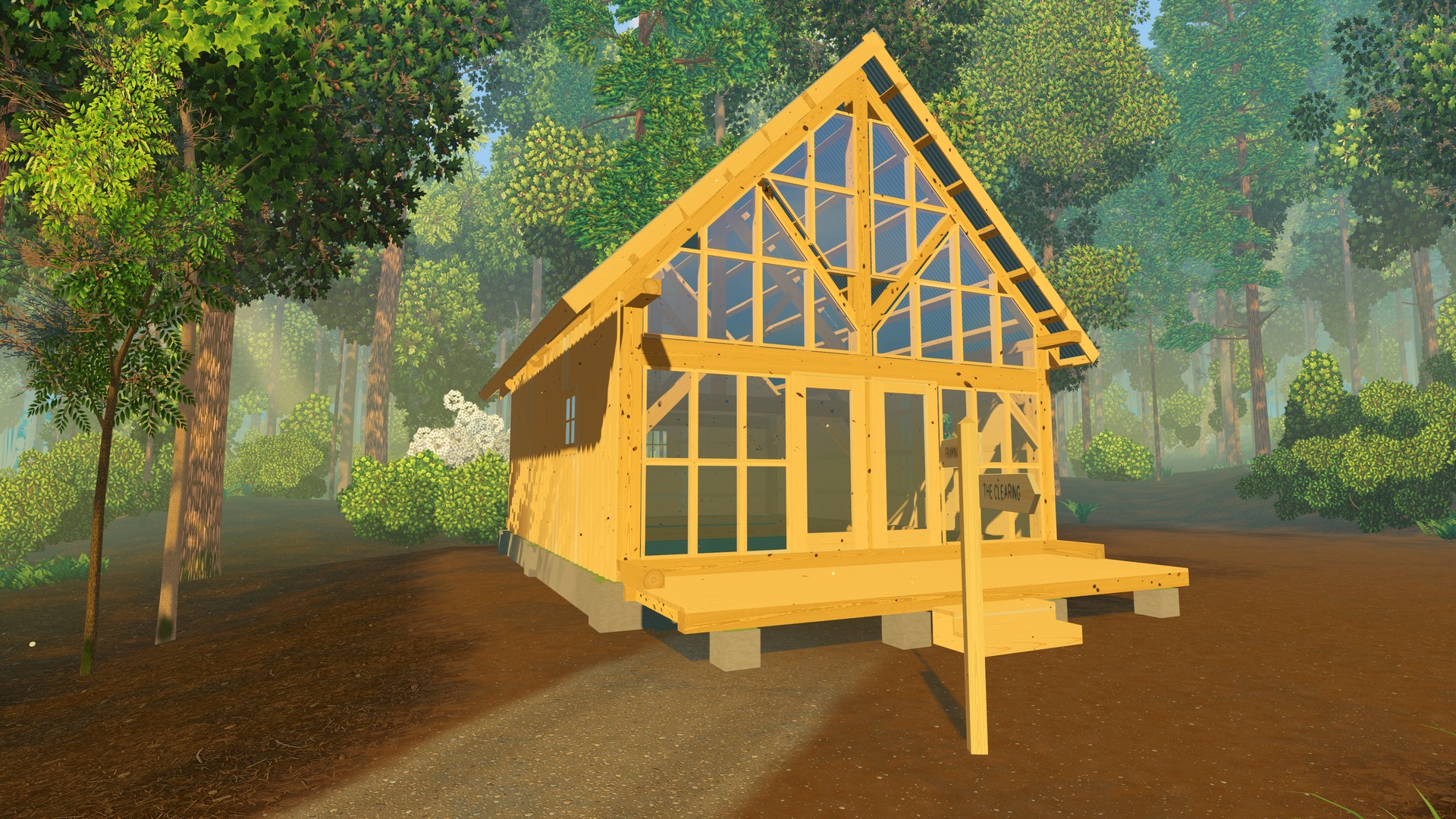
The Glass Gable finished, the cabin you build from your own timber in Early Access.
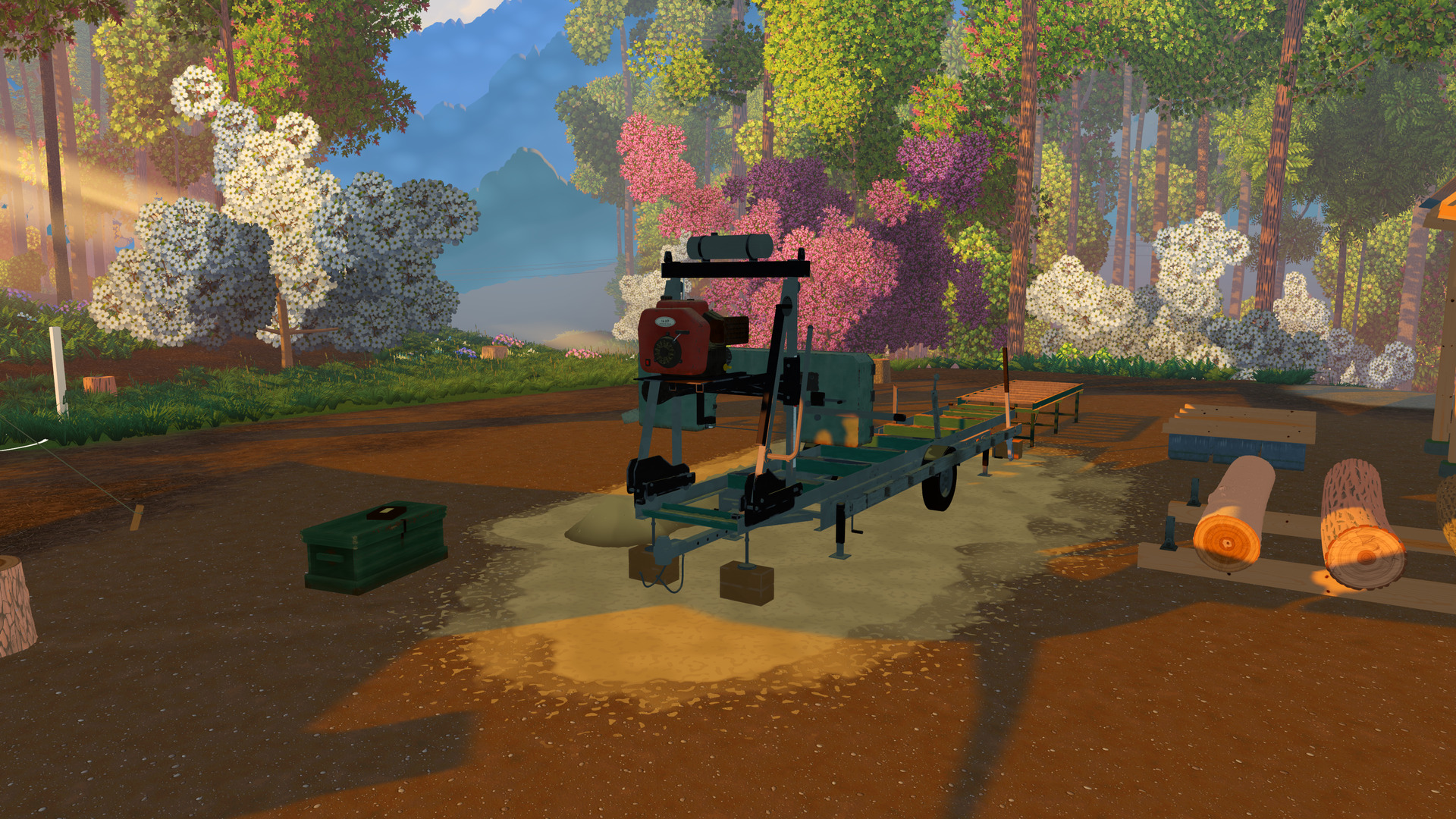
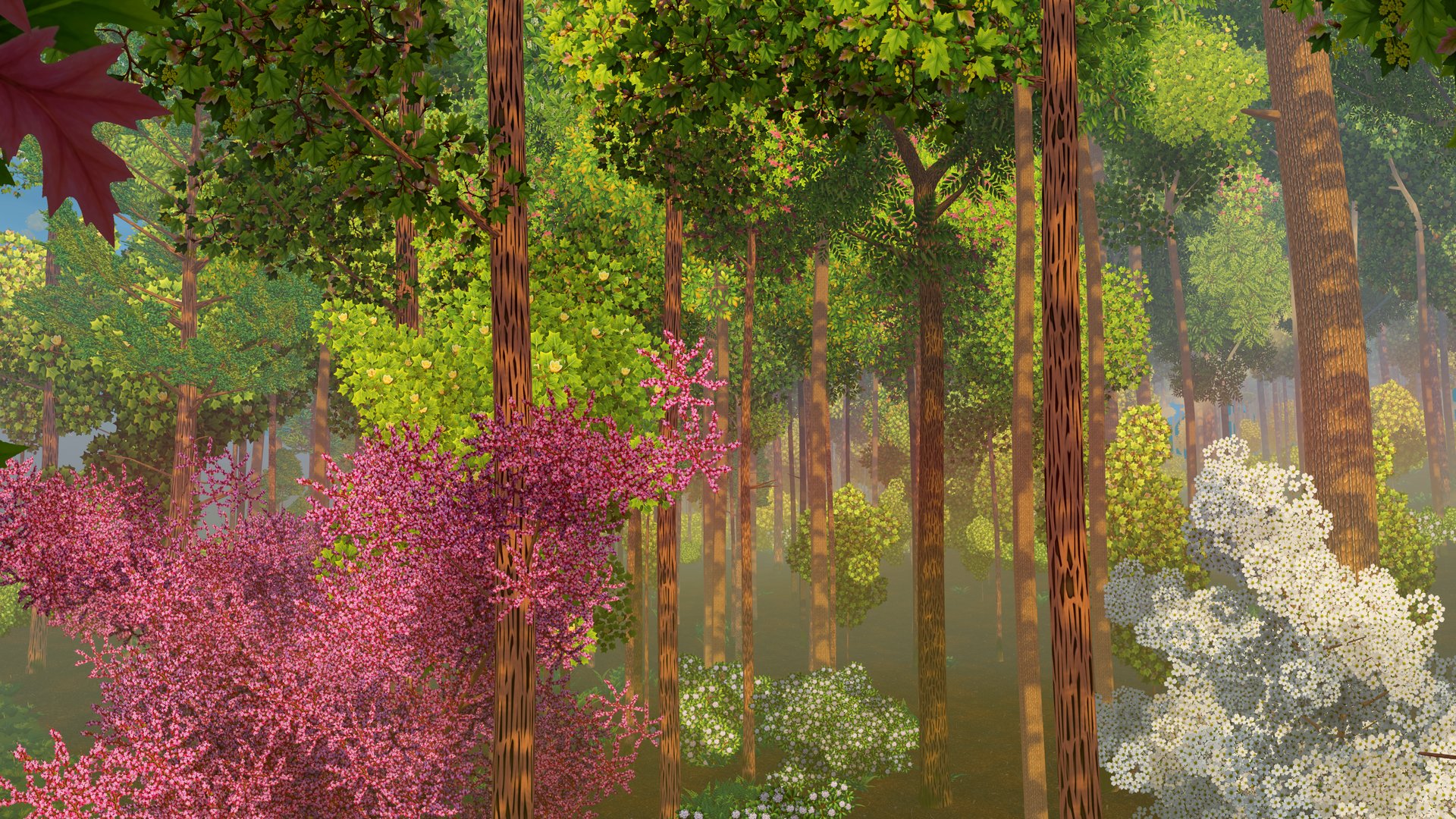
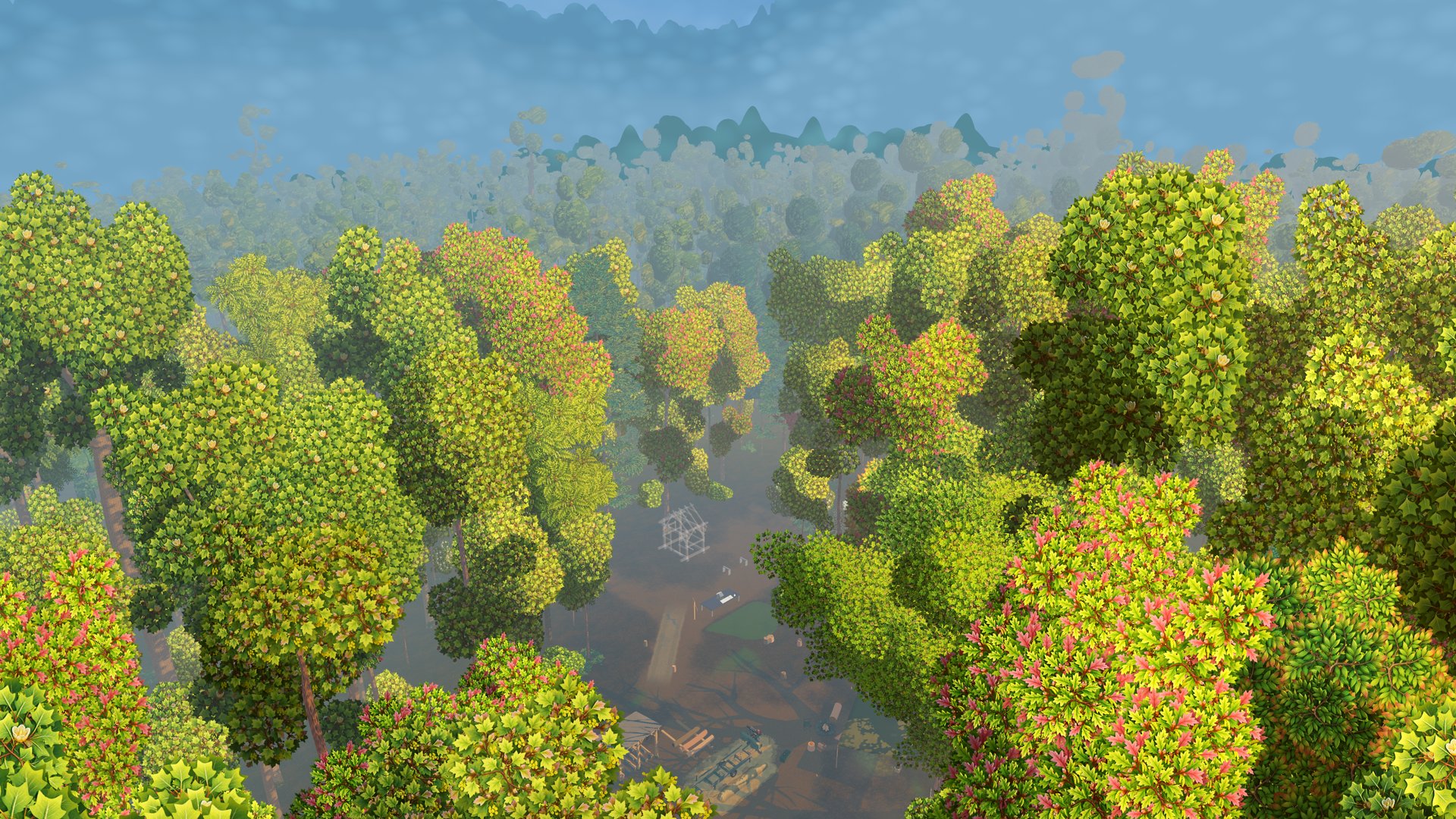
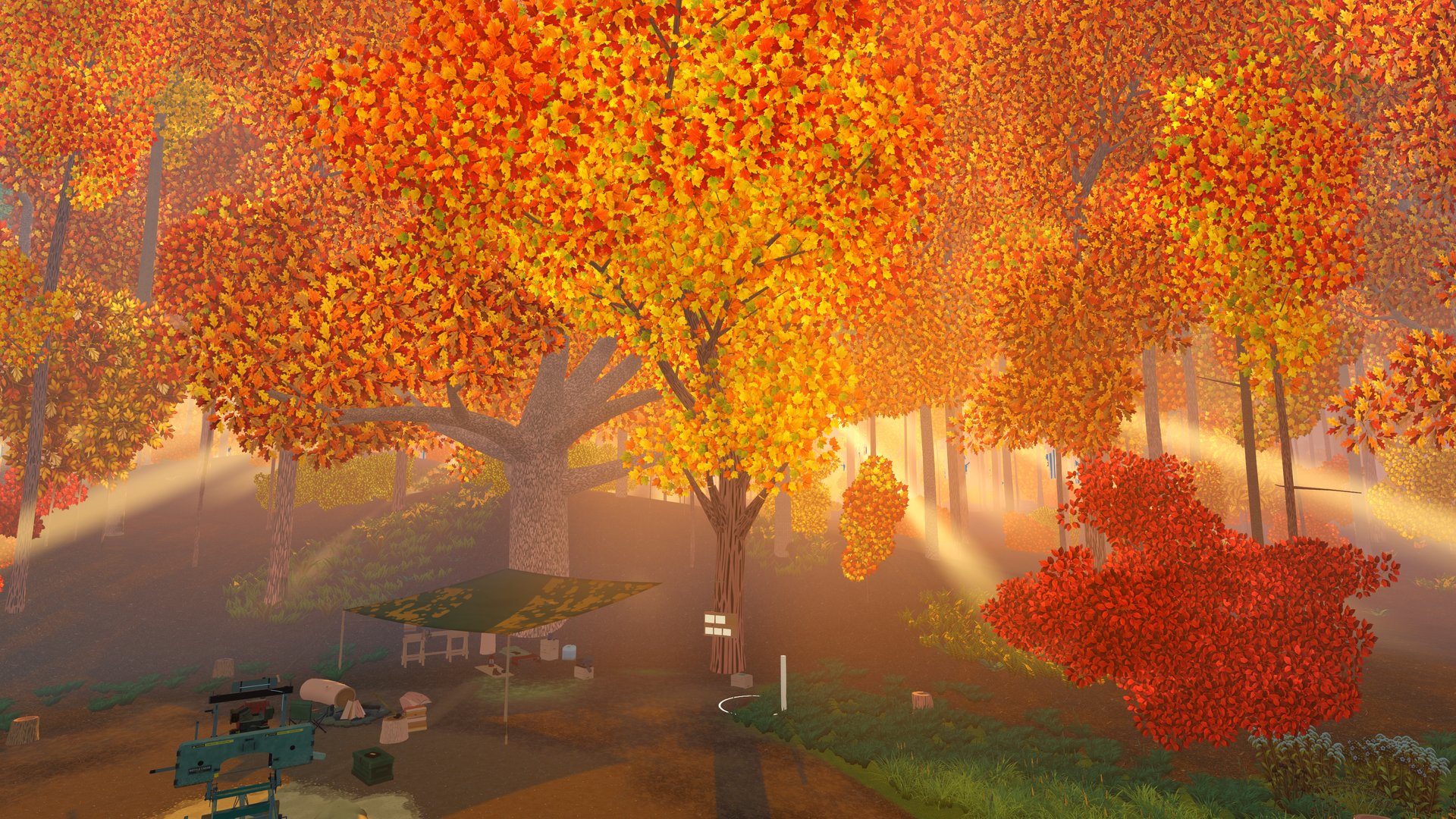
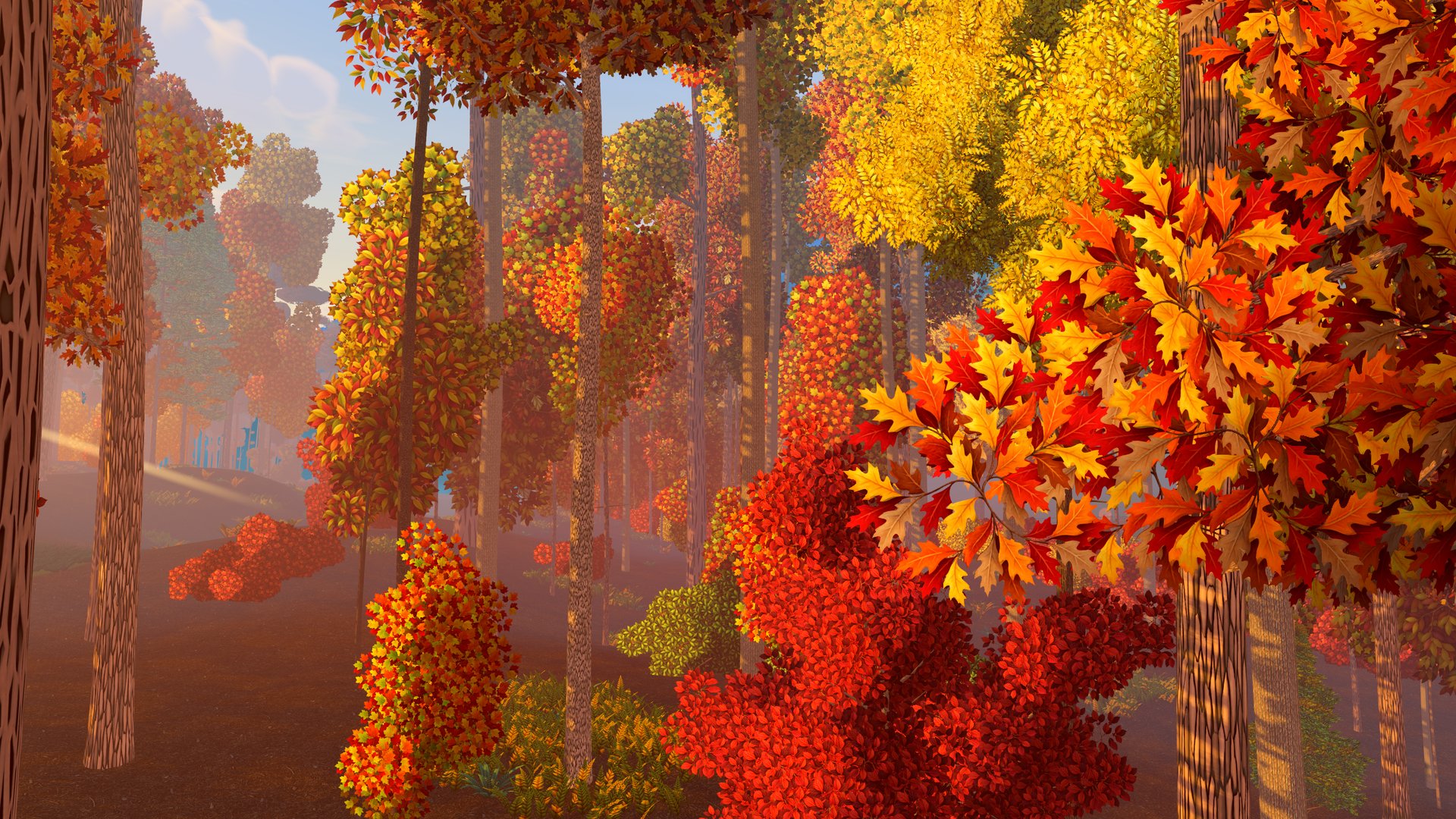
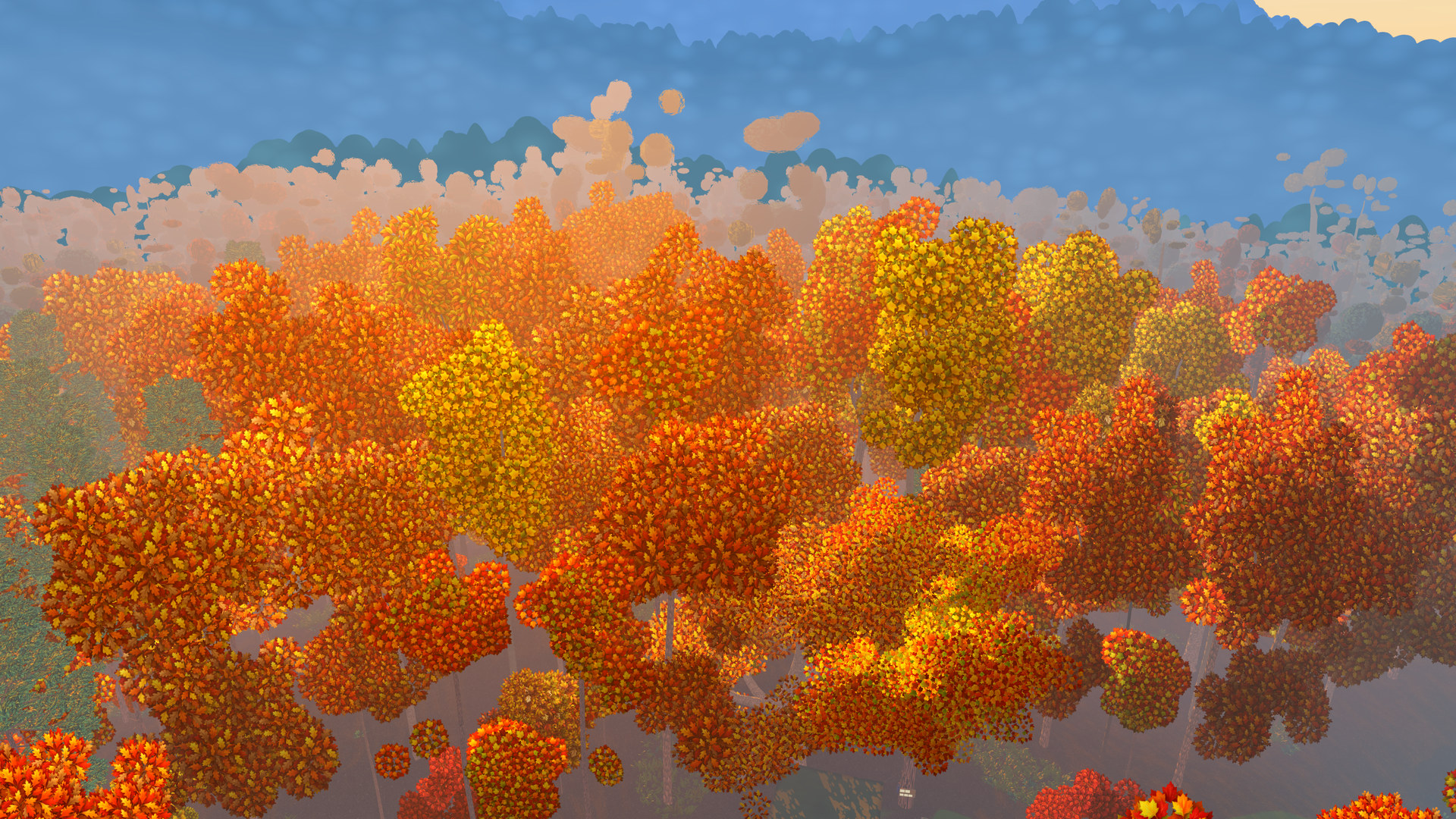
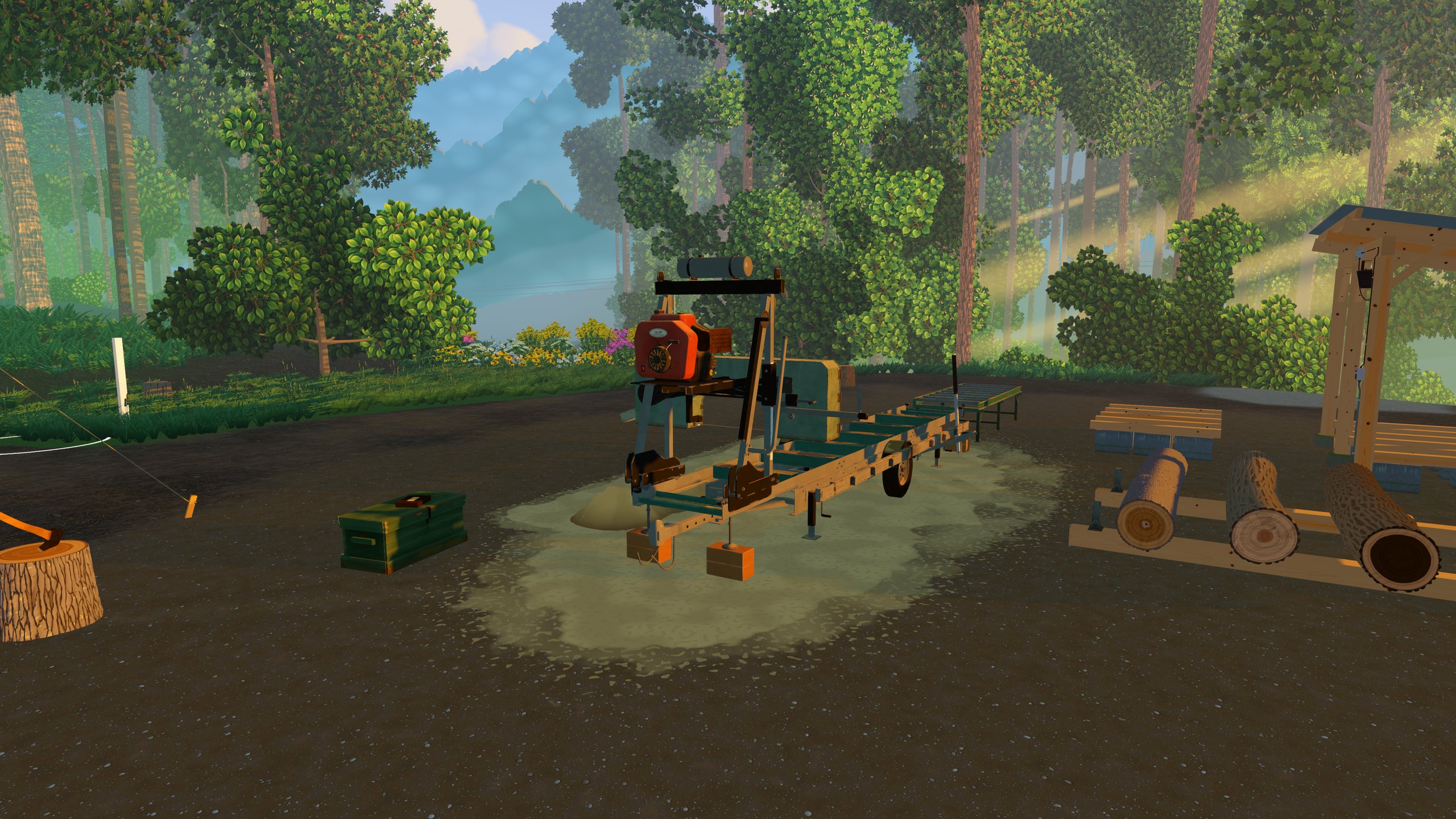
The clearing from the title screen with the logo and the menu taken off. Room for your own title.
7 items
The store's capsules and the wide key art. Use them for thumbnails and title cards.
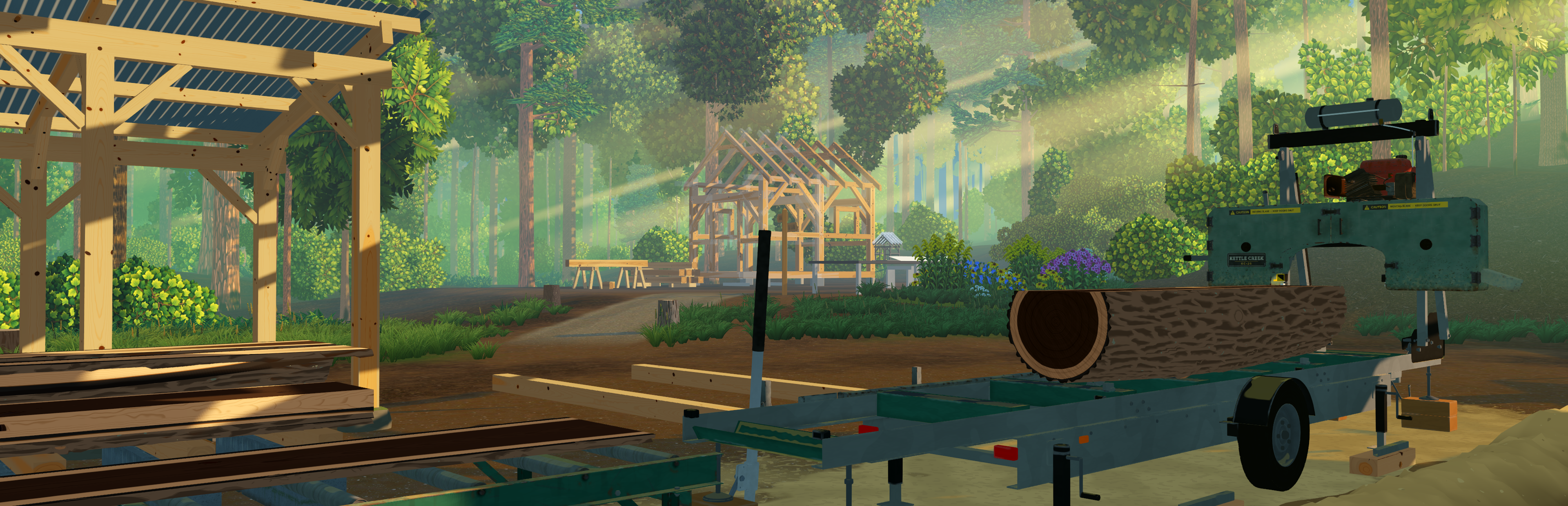
12 items
The soundtrack in WAV and MP3: each track whole, and as loops of 24 to 73 seconds that join cleanly, and the trailer's music and narrator as separate layers. They all sit at -16 LUFS, ready to go under a video. For a loop in a video editor, take the WAV: some editors play about 70 ms more at each end of an MP3.
From the game's soundtrack.
From the game's soundtrack.
From the game's soundtrack.
From the game's soundtrack.
From the game's soundtrack.
From the game's soundtrack.
From the game's soundtrack.
From the game's soundtrack.
The store trailer's music on its own. In the trailer it sits 6.6 dB under the narrator.
The store trailer's narration on its own, timed to the trailer's picture.
6 items
The logo for light grounds and dark ones. The lone-pine icon and the colour sheet are here too.
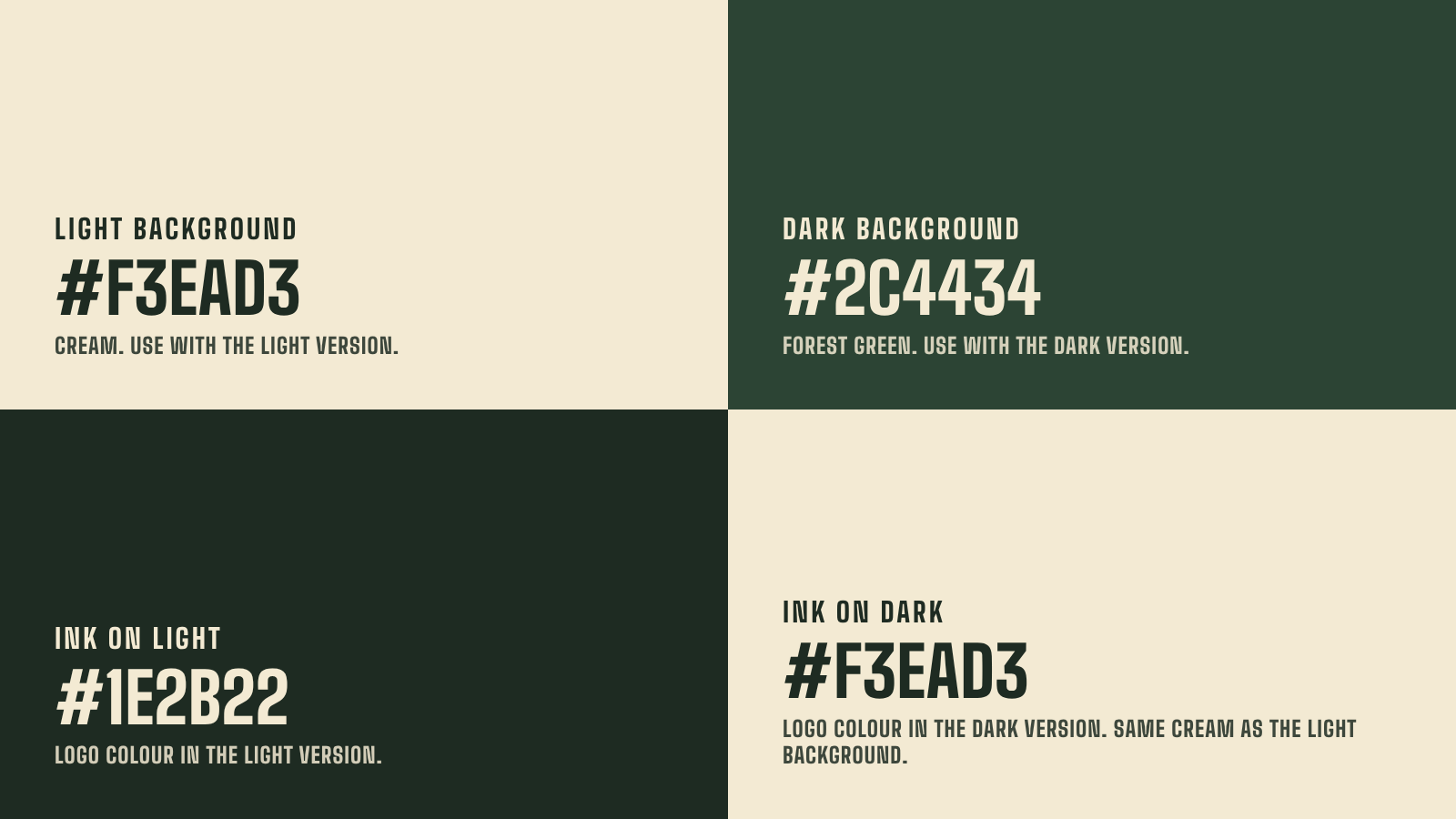
Colours: cream #F3EAD3, forest green #2C4434, ink #1E2B22. Fonts: Bree Serif for titles and Atkinson Hyperlegible for text, both free on Google Fonts. The logo and the name are there to refer to the game.

The game's icon in its dark and light versions.
9 texts
The store's own words about the game, with a factsheet. After them comes a list of moments that make good videos.
Far Acre is a homesteading game about reading logs and sawing them well, keeping the good ones and building your homestead with them.
You leave the city for an overgrown block and an old sawmill. Read each log before the blade goes in: chalk where you think the knots and the rot are, and how deep, mark your cuts to guide the blade and plan out your orders. The saw shows how well you read, and the boards build your homestead.
You sold everything and left the city. The money went into an overgrown piece of land at the edge of the country and a second-hand portable bandsaw mill. There's a tarp on poles over a cot and a camp stove, and the dealer down the road has already dropped a deck of logs by the mill.
Each of those logs has knots somewhere inside it, and some have rot. The bark gives part of it away.
Far Acre is a homesteading game about reading logs and sawing them well. Everything you build comes from logs you saw yourself. The plan is the whole homestead, raised from your own timber over free Early Access updates: the lumber business, the cabin and the barn, the workshop and a small farm, all off the grid.
The first update, Green Lumber, starts with a log you have to read and boards people will pay for. It ends on the night you move into a cabin built from your own timber, and the tarp comes down.
The wood here comes from the log, and each log is grown by an algorithm that mimics how real wood grows. Rings, heartwood, rays, knots, heart rot and the odd fence nail the tree grew around: each log carries its own. Saw it at any height and the fresh face shows what's there. Eight species so far, from white oak and black walnut to white pine and red cedar.
Look closely at any log and it turns in front of you. Bring an end round and the rings read flat on. A bump in the bark is a branch the tree grew over, and a dark seam can run to the heart.
Then take the chalk and make your call. Ring the spot and say what you think is under it: a knot, a seal, a seam, rot, steel or figure. Say how deep it runs and how sure you are. The chalk writes your call beside the ring, and it stays on the log until the blade goes in.
The saw is the only reveal. When the log is sawn up, a card goes through every sign it carried and tells you which ones you called right, which you found under the wrong name and which you missed. Ring one stub out of eight and the card says one called right, seven missed.
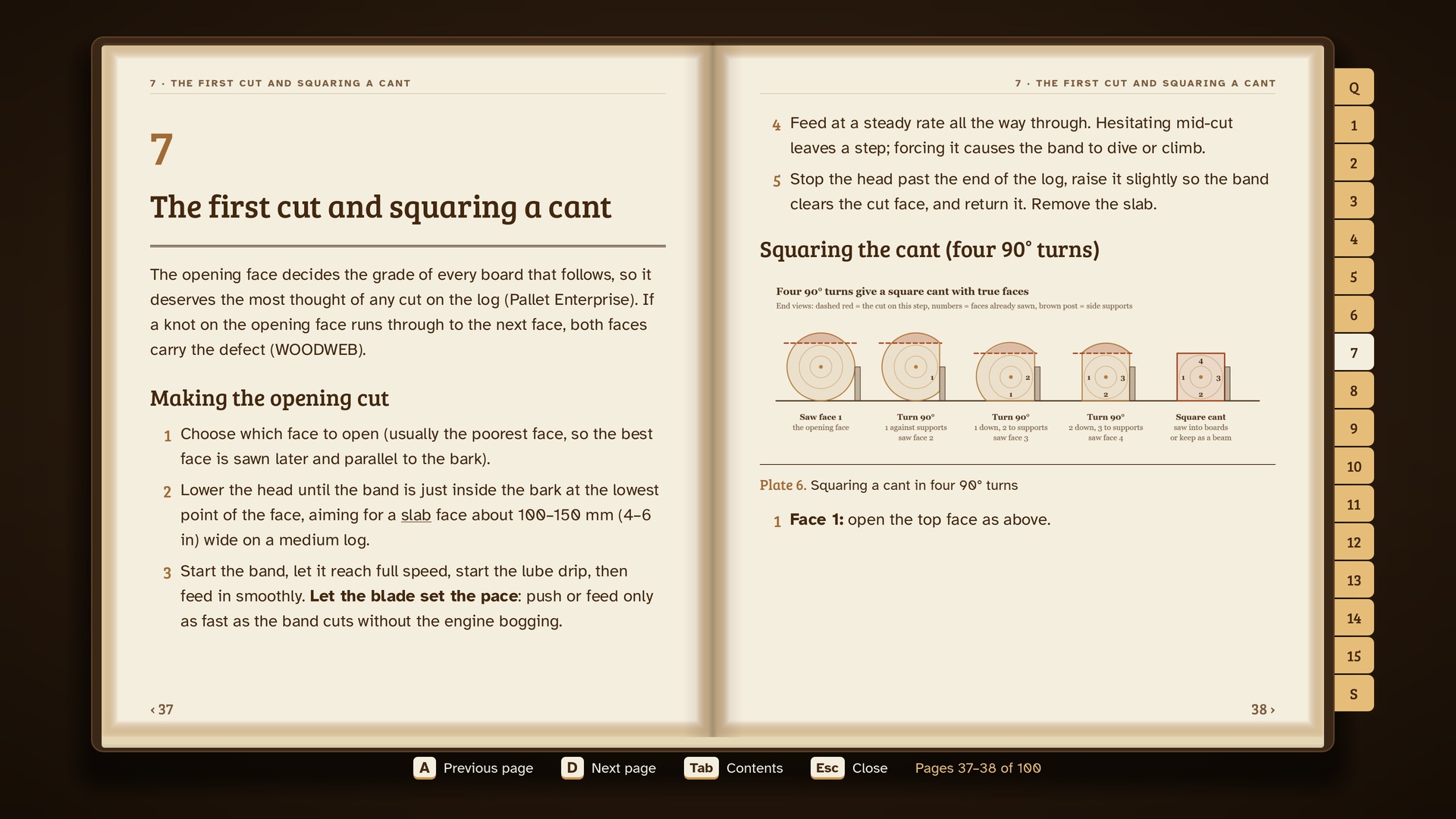
Roll the log onto the bunks, clamp it, shim the small end and set the blade. Push the head too fast and the cut wanders. Too slow and you're burning daylight. Turn the log a quarter at a time to square up a cant (the squared-off heart of the log). Bark dulls the blade fastest, so your blade hates bark even more than you do. Hit a nail and you file the struck teeth at the bench; a band that's dull all along goes out to the sharpening service.
Every board comes off with a grade card: species, size, board feet (a foot square, an inch thick), and what it lost points for. Two knots and a strip of sapwood and that cherry drops to No. 2A Common. Open the next log on a better face. Sizes read in inches and board feet, or switch to millimeters and cubic meters in the settings.
White oak comes off the mill at about 72% moisture. Stack it on stickers (thin spacer sticks) in the shed and 1-inch boards are air-dry in about twelve days. In a hurry? Build a solar kiln from your plainest boards and take it down to 8% for the furniture makers who want kiln-dried.
Furniture makers pin up what they want, down to species, grade, size and how dry. Fill the order and the money buys the next log. Slabs and offcuts go on the firewood pile and sell for two dollars apiece.
The first building is the Glass Gable, a timber cabin 20 feet by 26 (about 6 metres by 8) with a glazed gable end. Every timber and board in it comes off your mill, bay by bay. Close it in with your own shakes and siding. Then furnish it and move in. We're building this part of the game now, and it is in at Early Access launch.
The Sawyer's Manual is a field guide to running a small bandsaw mill, written from how portable mills are really run: reading a log, opening the first face, sawing for grade, quartersawing for figure, drying slowly and evenly. The game follows the book. Do what it says and you get what it promises. Rush the drying and your oak checks.
At Early Access launch: reading logs, the seller's yard, the mill, grading, drying, the solar kiln, orders, the seasons from spring blossom to winter, the Glass Gable cabin and the Sawyer's Manual.
Far Acre in Early Access has:
Still to come: your own trees (for now you buy logs from the seller), farming and the other buildings. It's single-player, on Windows. It's in English for now, and translations into other languages will follow. Expect some bugs.
This is the first step. The rest of the homestead comes update by update, all from your own timber.
You run one mill, and you upgrade it as the money comes in. The plan is for the game to end on an evening on a porch made of white oak you sawed yourself.
Far Acre is made by a small team at SparkHut (https://sparkhut.app). Write to [email protected] about interviews and keys, a shot you need filmed, or anything in the kit.
We use AI to some degree in most of our workflows, where it speeds things up at an acceptable quality and doesn't get in the way of crafting the game.
The kit's music and the trailer's narrator are made with AI tools. The footage and stills are frames of the game itself.
free review copies
Creators who make videos or streams, and the press, can have a free Steam key for Far Acre, about two weeks before Early Access opens. All we ask is your honest view, told to us as well as to your viewers, so we can answer it and fix what we can in an update. Say what you like, when you like.
We look at each channel before a key goes out, and we ask you to tell your viewers the copy was free, as the platforms ask of everyone.
The form here opens shortly. Until it does, write to [email protected] with a link to your channel. What we keep and for how long is on the privacy page.
If you work with an AI assistant, point it at this page or at these files. Each lists every file in the kit with what it shows, its tags, size, length, licence and address.
Updated 23 November 2026.
Wishlist on Steam
Coming to Steam Early Access, for Windows PC.